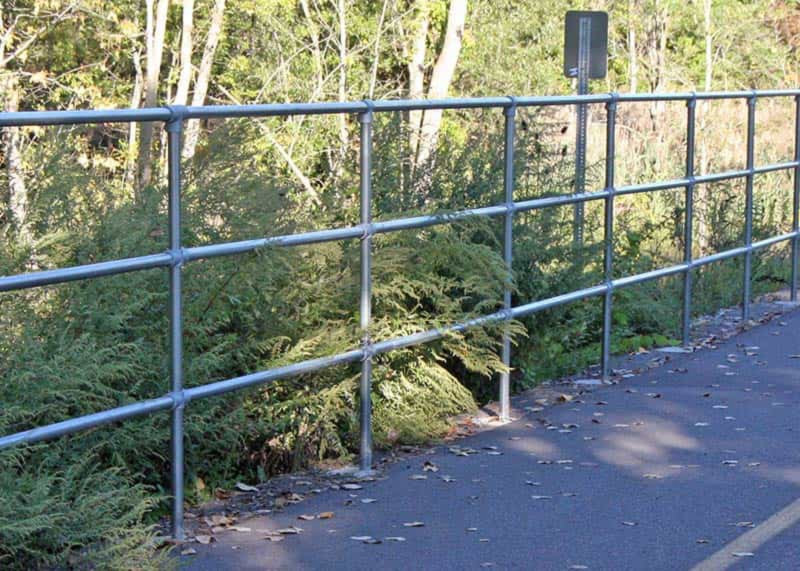
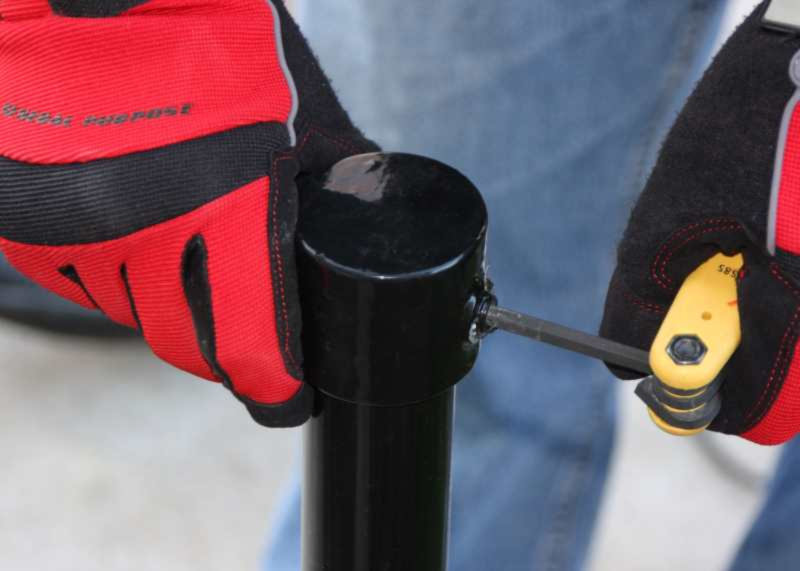
Compare the benefits of a non-welded OSHA compliant handrail to the costs and work associated with building a welded OSHA compliant handrail.
Kee Klamp Pipe Fittings vs. Fabricated Welding
Comparison Chart
Kee Klamp Railing
Traditional Welded Rail
Specialized Labor
No, Simple to Install
Yes, Professional Labor Union Employee
Time
Typically it would take 2 people 8 hours to install 100 ft. of railing.
Varies on availability and skill level.
Special Permits
None
Hot Permit Required
Safety Factor
Use of simple tools such as drill, hammer, and allen wrenches.
Welding creates a greater potential for bodily harm.
Overall Costs
After the consideration of all factors
you can save up to 50% when installing a Kee Klamp component railing over a welded rail solution.
Breakage
The systems modular components allow for the broken section to be replaced by loosening the surrounding fittings and replacing
the broken fittings and pipe.
A professional welder must replace the affected section
Rust
The Kee Klamp system components are galvanized or anodized to resist corrosion.
Kee Klamp railing are known to last for 20 years without showing the least bit of rust.
Because galvanization is removed during the installation processes,
welded connections and ground fixings are known to show rust under a two year period.
ADA Compliance
Use of our ADA Handrail System combines smooth surface
ADA Compliance with our modular, weldless system.
Welding used to be the only way of providing an ADA smooth surface railing.
OSHA Compliance
When installed properly, railings built with our fittings exceed OSHA
standards.