How Much Does a Fall Protection Violation Cost?

OSHA has been steadily increasing fall protection enforcement and the price tag that comes with non-compliance.
With higher penalties, more inspections, and more attention on rooftop safety, facilities across the U.S. are tightening who can access the roof and how work gets done.
Fall hazards are among the easiest issues for OSHA to cite, and that means even a short inspection can turn into an expensive problem.
The Real Cost of an OSHA Fall Protection Violation
Fall protection violations consistently rank as the #1 most cited OSHA safety issue.
The cost of a citation depends on severity, but even a baseline “serious” violation can exceed tens of thousands of dollars up to $16,550 per violation. A single hazard often triggers multiple fines.
For example, an unprotected rooftop edge can result in citations for fall protection, training, access, and walking-working surfaces.
For willful or repeat violations, the penalties multiply quickly. Large facilities, distribution centers, and multi-building campuses can see six-figure totals up to $165,514 per violation if similar hazards appear across several rooftops.
Hidden Costs Facilities Forget (Most Important)
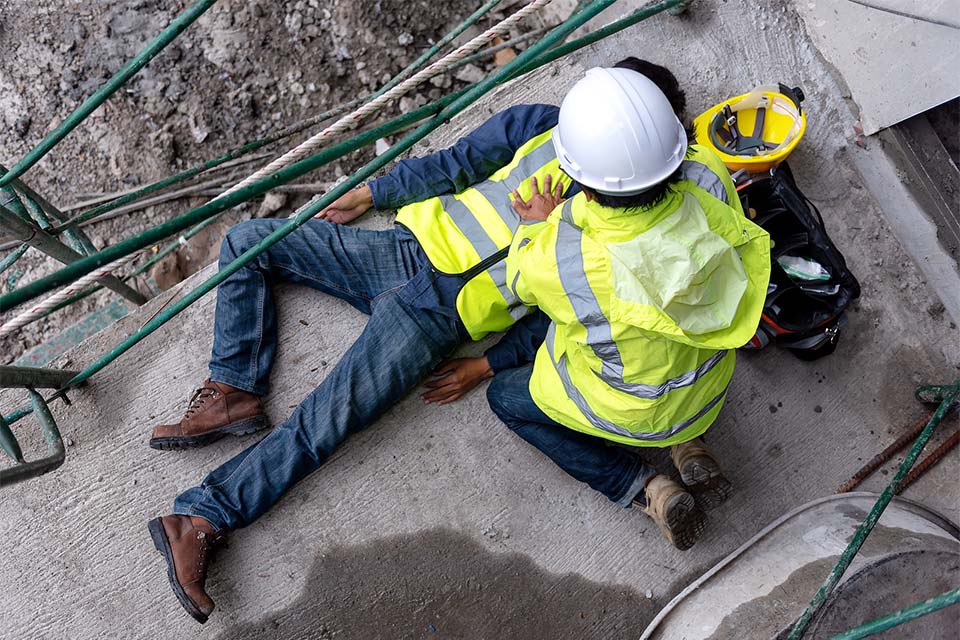
The fine itself is only the beginning. The real financial damage comes from everything that happens after a citation or after a near miss that draws internal attention. These hidden costs often exceed the OSHA penalty by a wide margin.
Operational Disruptions
OSHA or internal safety teams may halt work in exposed areas. This delays inspections, routine maintenance, HVAC repairs, and contractor projects; sometimes forcing emergency service rates.
Emergency Remediation Expenses
Facilities often scramble to install temporary railings, rental barriers, or quick-fix systems that cost more in the long run and still may not meet OSHA requirements.
Insurance Impacts
A fall-related citation or incident can trigger premium increases, reclassification, or even claim denials if the hazard was previously documented and unfixed.
Contractor & Vendor Delays
Many service providers refuse to work on a non-compliant roof, which delays scheduled work and creates cascading downtime.
Internal Labor Costs
After an incident or citation, companies often need additional training, hazard assessments, and safety oversight which pulls teams away from core duties.
Legal Exposure
If a worker is injured after a known hazard was cited, or even informally reported, liability increases dramatically. Settlements, attorney fees, and litigation costs dwarf OSHA fines.
Long-Term Budget Drain
Temporary fixes and reactive spending become recurring expenses. Permanent systems often cost significantly less over a 5–10-year cycle.
Common OSHA Violations That Drive These Fines

Many of the most expensive citations come from predictable, well-known hazard categories:
Unprotected Leading Edges
Lack of guardrails, improper warning lines, or inadequate fall restraint systems.
Unprotected Skylights
OSHA treats skylights as holes. Even when they appear solid, failing to protect them is one of the most common, and most overlooked, violations.
Improper Rooftop Access Systems
Unsafe ladders, unprotected ladder openings, and poorly designed roof hatches all trigger citations.
Unsafe Walking/Working Surfaces
Uneven roof surfaces, slippery materials, sloped roofs without proper walkways, and no designated service paths.
Temporary or Makeshift “Fixes”
Chains, rope lines, sandbags, and outdated non-engineered systems rarely meet OSHA standards.
Lack of Documented Fall Hazard Assessment
OSHA expects employers to know their hazards. Not documenting or acting on them can escalate penalties.
How to Protect Fall Hazards with Permanent Solutions
The fastest way to eliminate fines is to eliminate the hazards themselves. Permanent, engineered rooftop safety systems protect workers, simplify inspections, and prevent repeat citations.
Kee Guard: Permanent Protection for Leading Edges
Kee Guard is a modular, non-penetrating guardrail system designed for flat, barrel, and low-slope roofs. It provides OSHA-compliant fall protection without compromising the roof membrane.
For large facilities and distribution centers, Kee Guard is the most reliable way to eliminate edge-related citations for good.
Skylight Screens: OSHA-Compliant Skylight Protection
Engineered skylight screens prevent falls through fragile or aging skylight. Installing screens transforms skylights from costly violations into permanently protected surfaces.
Kee Walk: Safe, Level Service Paths
Kee Walk rooftop walkway creates a controlled walking surface across the roof, preventing slips, trip hazards, and unsafe access to mechanical equipment.
It routes workers away from hazards and supports compliance with walking-working surface regulations on all roof types.
Safe Access Platforms for Elevation Changes
The Bottom Line
OSHA fall protection violations are expensive, but the citation is only the beginning.
Operational downtime, emergency repairs, liability exposure, and long-term maintenance issues often cost far more than the initial fine. The smartest facilities invest in permanent solutions that remove hazards once and for all.
To get started on assessing any and all fall hazards around your facility contact our team of fall protection specialists. From there, we can audit your rooftop and provide solutions to make your facility OSHA-compliant and safe for your team.
