Understanding OSHA’s Requirements for Excavations: A Complete Guide to Trenching & Pit Safety

Excavation and trenching work ranks among the most dangerous activities in construction and industrial maintenance. A single cave in, an uncovered inspection pit, or even a momentary lapse in safety protocols can lead to devastating injuries, substantial OSHA penalties, stop work orders, and serious legal liability.
According to OSHA data, cave ins are the leading cause of trench fatalities, often occurring suddenly and without warning. Beyond collapse hazards, open pits and vehicle inspection trenches also present serious fall risks, especially in maintenance facilities, fleet shops, and industrial plants where workers move in close proximity to recessed work areas.
What Counts as an Excavation Under OSHA Standards?
OSHA takes an intentionally broad view of what qualifies as an excavation, and there's a good reason for this approach. Whenever earth is removed or a recessed work area is created, the laws of gravity and soil mechanics immediately come into play, creating potential hazards.
According to OSHA regulations, an excavation is any manmade cut, cavity, trench, or depression in the earth's surface formed by earth removal. The definition of a trench is more specific: it refers to a narrow excavation that is deeper than it is wide, typically measuring less than 15 feet across at the bottom.
In real-world applications, this definition covers far more than the standard outdoor utility trenches most people picture. OSHA's excavation standards apply to:
- Utility installation trenches for water, sewer, and electrical lines
- Foundation excavations and building footing cuts
- Underground mechanical and electrical conduit runs
- Maintenance and facility service trenches
- Vehicle inspection pits and service recesses in auto shops
- Industrial access pits and shafts
Why Excavation Safety Should Be Your Top Priority
Excavations present multiple layers of hazards that can threaten worker safety. These include unstable soil conditions, limited options for quick movement or escape, heavy machinery operating in close proximity, and potential environmental dangers like water accumulation and toxic gases.
The most common risks associated with excavation work include:
- Cave ins and collapses – These represent the most severe and deadly threat in trench work, capable of burying workers in seconds
- Falls into pits or trenches – Particularly dangerous in maintenance areas where workers frequently walk near open excavations
- Falling or shifting materials – Loose soil, equipment, or materials near trench edges can strike workers below
- Hazardous atmospheres – Deeper excavations may contain toxic gases, lack sufficient oxygen, or accumulate dangerous fumes
- Water accumulation – Even small amounts of water can rapidly destabilize soil and create sudden collapse conditions
- Struck by equipment or tools – Heavy machinery or falling tools near excavation edges pose serious hazards
- Contact with underground utilities – Striking buried power lines, gas mains, or water pipes can cause explosions, electrocution, or flooding
These risks don't announce themselves with warning signs. They occur suddenly and without notice. That's precisely why OSHA classifies trenching and excavation as high risk work that must be carefully planned and continuously monitored throughout every phase of the project.
OSHA Standards That Apply to Excavation Work
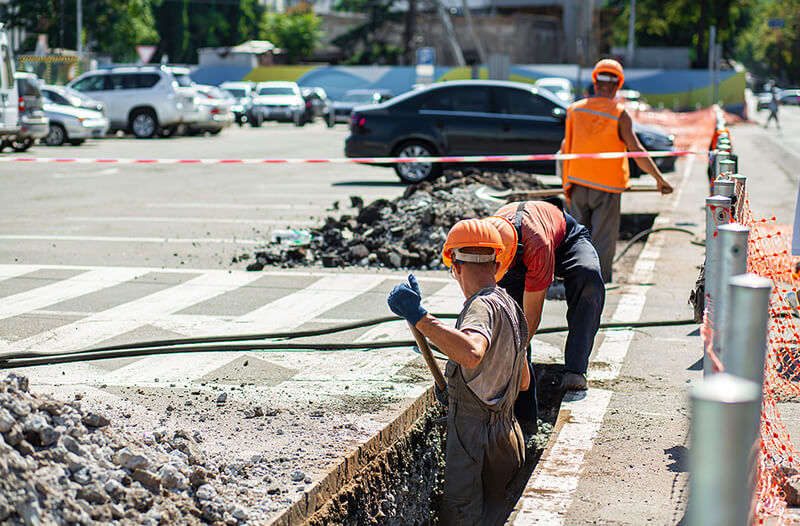
OSHA's excavation and trenching regulations are primarily outlined in three key sections of the Code of Federal Regulations:
29 CFR 1926.651 – Establishes general excavation safety requirements that apply to all excavation work
29 CFR 1926.652 – Specifies protective systems required for trenches, including sloping, shoring, and shielding methods
29 CFR 1926.501(b)(7) – Defines fall protection requirements for pits, shafts, and excavations
These standards work together as an integrated safety framework to ensure that excavation sites are properly evaluated, hazards are effectively controlled, and workers are never exposed to unprotected collapse or fall hazards.
General Requirements Under 29 CFR 1926.651
This regulation addresses the fundamental protections that must be in place before excavation work begins and throughout the duration of the project.
Utility Locating: Your First Critical Step
Before any soil is disturbed, all underground utilities must be accurately identified and clearly marked. Contacting utility locating services and coordinating with utility owners isn't optional or recommended practice. It's a mandatory requirement. Striking a power line, gas main, or water line is not just a life threatening event; it's also a source of major financial and legal liability.
Access and Egress Requirements
Worker safety depends on having reliable escape routes. Any trench that reaches 4 feet deep or more must provide a safe means of entry and exit. This requirement includes:
- Ladders, ramps, or stairs that are structurally sound
- Access points positioned within 25 feet of where workers are stationed
- Clear, unobstructed pathways that remain stable throughout the work shift
Soil and Structural Stability Monitoring
Soil classification isn't merely a paperwork exercise designed to satisfy inspectors. It's a critical determination that establishes whether your protective systems can actually withstand the pressures they'll face. Workers and supervisors must actively watch for warning signs including:
- Cracks or tension lines appearing in the soil
- Bulging or sloughing of trench walls
- Vibration from nearby traffic or heavy equipment operation
- Adjacent foundations or paved surfaces that add load pressure to the excavation
Water and Weather Hazards
Water intrusion represents one of the fastest ways to transform a stable trench into a catastrophic collapse hazard. Employers must take active steps to manage water, including:
- Pumping out any standing water that accumulates in the excavation
- Controlling surface runoff to prevent water from entering the work area
- Halting work immediately if weather conditions threaten to compromise stability
Daily Inspection Requirements
OSHA treats trench inspections with the utmost seriousness because soil and environmental conditions can change so quickly. A designated competent person must conduct thorough inspections of all excavations:
- Before the work shift begins each day
- Throughout the shift as conditions change
- After any rainfall, nearby vibration, or appearance of hazard indicators
Protective Systems Required Under 29 CFR 1926.652
Once an excavation reaches 5 feet in depth, protective systems become mandatory unless the excavation is made entirely in solid, stable rock. OSHA recognizes four acceptable protective methods, each suited to different soil conditions and project requirements:
Sloping – This method involves cutting back the trench walls at an angle that prevents collapse. The required slope angle depends on soil type and classification.
Benching – This technique creates step like formations in the trench walls, which distributes pressure and reduces collapse risk.
Shoring – This approach uses hydraulic or mechanical supports to brace trench walls and prevent cave ins.
Shielding – Also known as trench boxes, these are steel or aluminum structures that protect workers if a collapse occurs.
Selecting the right protective approach depends on multiple factors including soil classification, trench depth, environmental conditions, and the scope of work being performed.
When Is a Protective System Required?
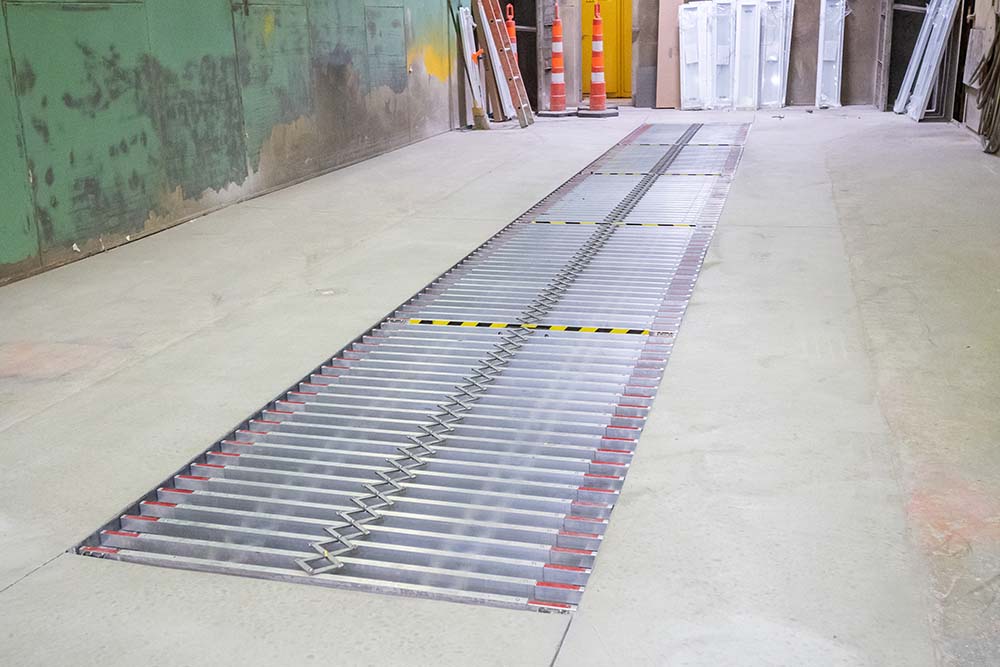
OSHA mandates protective systems in these circumstances:
- Any excavation with a depth of 5 feet or greater
- Excavations at any depth if soil conditions are unstable or potentially unstable
- Unless a registered professional engineer certifies the excavation is made entirely in stable rock, or a competent person determines protective systems are not required based on soil analysis
Common OSHA Excavation Violations to Avoid
OSHA enforcement data reveals that inspectors consistently cite employers for making the same preventable mistakes:
- Working in unprotected trenches that lack proper shoring, sloping, or shielding
- Placing spoil piles too close to trench edges, creating additional load and collapse risk
- Failing to provide adequate safe access points for workers
- Leaving pit openings unprotected, creating fall hazards
- Not having a designated competent person present on site
- Skipping required atmospheric testing for hazardous gases
- Neglecting utility location steps before excavation begins
The Critical Role of the Competent Person
OSHA regulations require a designated competent person to be physically present and actively monitoring excavation work. This isn't just a title on paper. The competent person must possess specific capabilities and authority:
- Ability to recognize both existing and predictable hazards
- Knowledge of how to properly classify soil types
- Understanding of protective system requirements and limitations
- Responsibility to inspect excavations continuously throughout the work period
- Authority to stop work immediately when unsafe conditions develop
- Power to enforce safety changes and remove workers from danger
Fall Protection Requirements for Excavations Under 29 CFR 1926.501(b)(7)
The same protective standards required for working at heights also apply to preventing falls into excavations. This is an area that often gets overlooked, particularly with indoor inspection pits that seem less hazardous than outdoor trenches.
Fall protection becomes mandatory when workers face potential falls of 6 feet or more into:
- Open trenches at construction sites
- Service pits in maintenance facilities
- Access shafts for utilities or equipment
- Wells and similar vertical excavations
- Vehicle inspection pits in auto shops and fleet maintenance bays
Acceptable fall protection solutions include:
- Standard guardrail systems properly installed around the excavation perimeter
- Physical barriers that prevent access to the hazard area
- Barricades positioned to keep workers and equipment away from edges
- Structural, load rated covers capable of supporting expected foot or vehicle traffic
Here's a critical point that many employers miss: caution tape, traffic cones, or simple visual warnings do not count as adequate protection when a genuine fall hazard exists. OSHA requires physical barriers or covers that actually prevent falls from occurring.
Special Considerations for Inspection Pits and Industrial Trenches
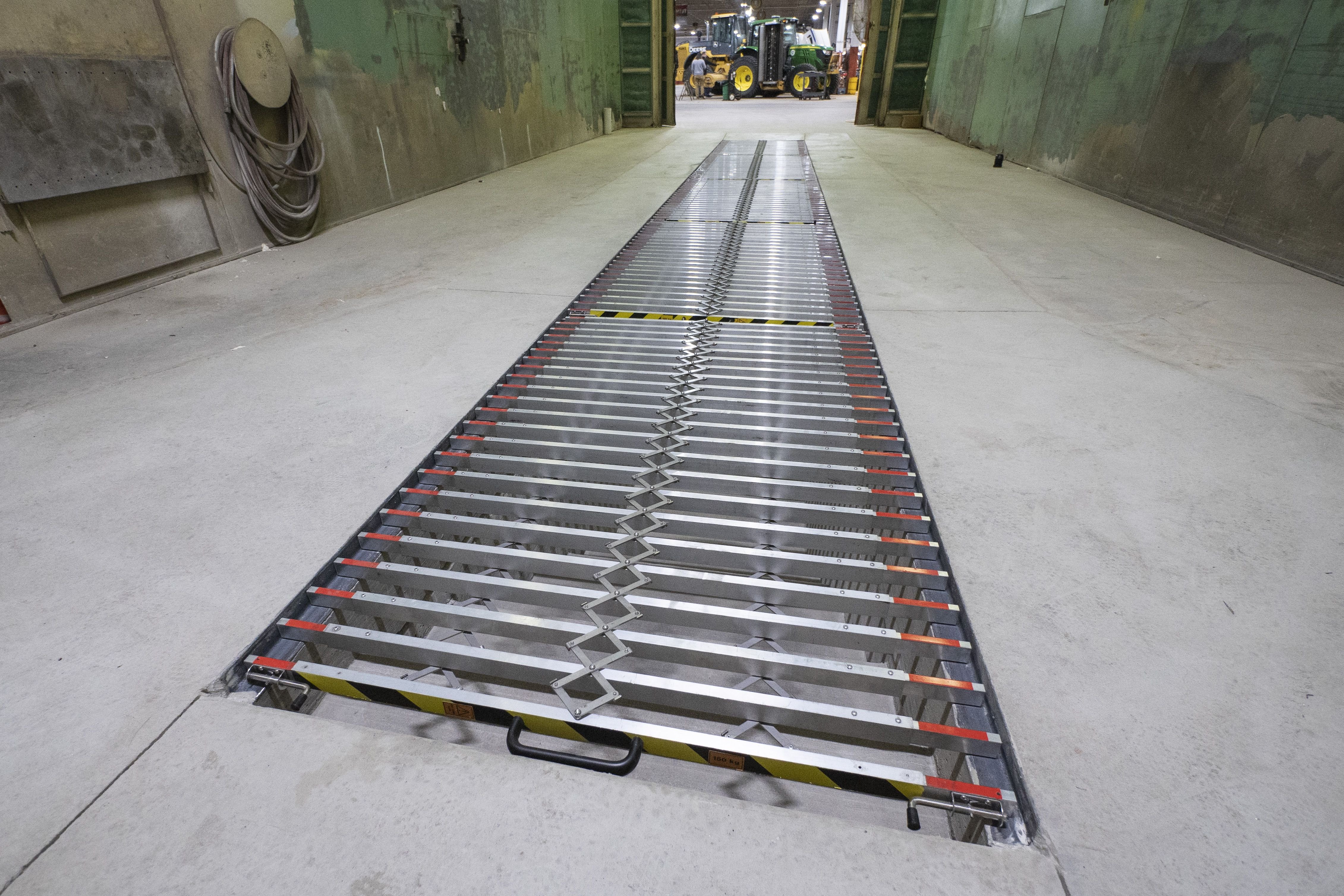
Indoor service pits often get overlooked in safety planning because they're permanent fixtures that workers see every day. This familiarity breeds complacency. Yet the fundamental hazard (a sudden, unprotected fall into a recessed area) is just as real and dangerous as it is in outdoor excavation work.
Inspection pits must be properly managed with these controls:
- Covered when not actively in use – Open pits create constant fall hazards in busy work environments
- Guarded on all exposed sides – Guardrails or barriers prevent accidental falls during active use
- Clearly marked and well illuminated – Visibility is essential in facilities with vehicle and foot traffic
- Kept free of slip hazards – Oil, water, and debris around pit edges increase fall risk significantly
Modern engineered solutions like our inspection pit covers provide safe walk over capability while still allowing quick access to the work area underneath. These systems offer a simple but highly effective control measure for fleet shops, fire stations, municipal garages, and industrial facilities where inspection pits are used daily.
Protecting Outdoor Trenches: Your Options

For construction and utility work involving outdoor trenches, having the right protective equipment can mean the difference between a safe project and a catastrophic incident. While sloping and benching work well in some situations, many job sites don't have the space or soil conditions to make these methods practical.
That's where trench protection systems become invaluable. Our TrenchProtect system provides reliable shoring and shielding that adapts to various trench depths and soil conditions. These systems can be deployed quickly, adjusted as conditions change, and moved efficiently from one section of trench to another as work progresses.
Making Excavation Safety Practical and Sustainable
Understanding OSHA requirements is one thing. Implementing them in a way that works with your actual workflow is another challenge entirely. The reality is that safety measures only work if your team can use them efficiently without creating bottlenecks or delays that tempt shortcuts.
This is where investing in quality safety equipment pays dividends. Yes, there's an upfront cost to purchasing trench shields, pit covers, or other protective systems. But consider the alternative costs:
- OSHA penalties for violations (which can reach tens of thousands of dollars per citation)
- Project delays from stop work orders
- Injury costs including workers' compensation, medical expenses, and potential litigation
- Productivity losses when workers feel unsafe or when incidents disrupt operations
- Reputation damage that can affect your ability to win future contracts
- Increased insurance premiums after safety incidents
Conclusion: Control the Hazards Before They Control You
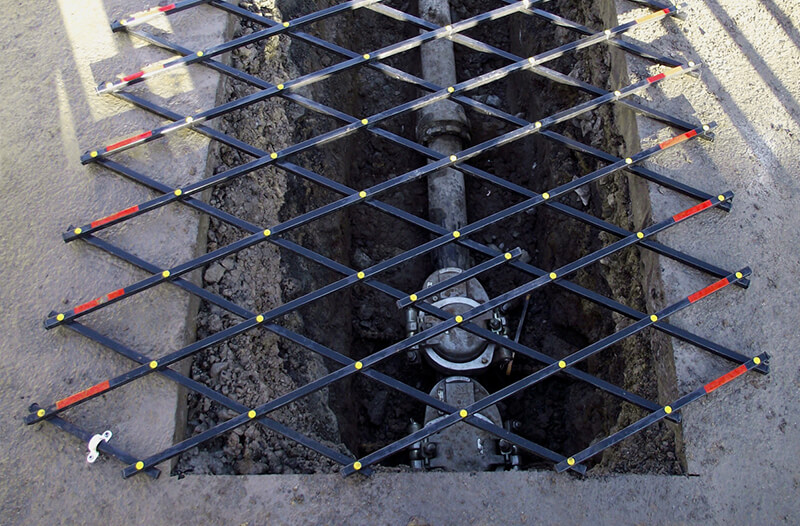
Excavation safety fundamentally comes down to control. You need to control soil stability, control access to hazardous areas, and control fall risks. The hazards themselves are predictable and well understood. It's the planning, prevention, and consistent application of safety measures that keep predictable hazards from becoming actual incidents.
Whether your work involves trenching outdoors for utility installations or servicing vehicles in recessed inspection pits indoors, the responsibility remains the same: inspect thoroughly, protect adequately, and never assume conditions are stable just because they look okay.
Engineered safety systems, properly trained personnel, and disciplined daily inspections form the foundation of effective excavation safety. These three elements working together protect both lives and productivity.
Need Help Protecting Open Pits or Recessed Work Areas?
Our team works with facility managers, contractors, and maintenance operations across the country to implement compliant, practical fall protection solutions. We understand that safety equipment needs to work with your workflow, not against it.
Whether you need:
- Trench protection systems for construction and utility work –Explore TrenchProtect
- Inspection pit covers for vehicle maintenance facilities –View Pit Cover Options
- Custom solutions for unique excavation or pit configurations
We can help you find the right solution that keeps your crew protected while supporting efficient operations.
